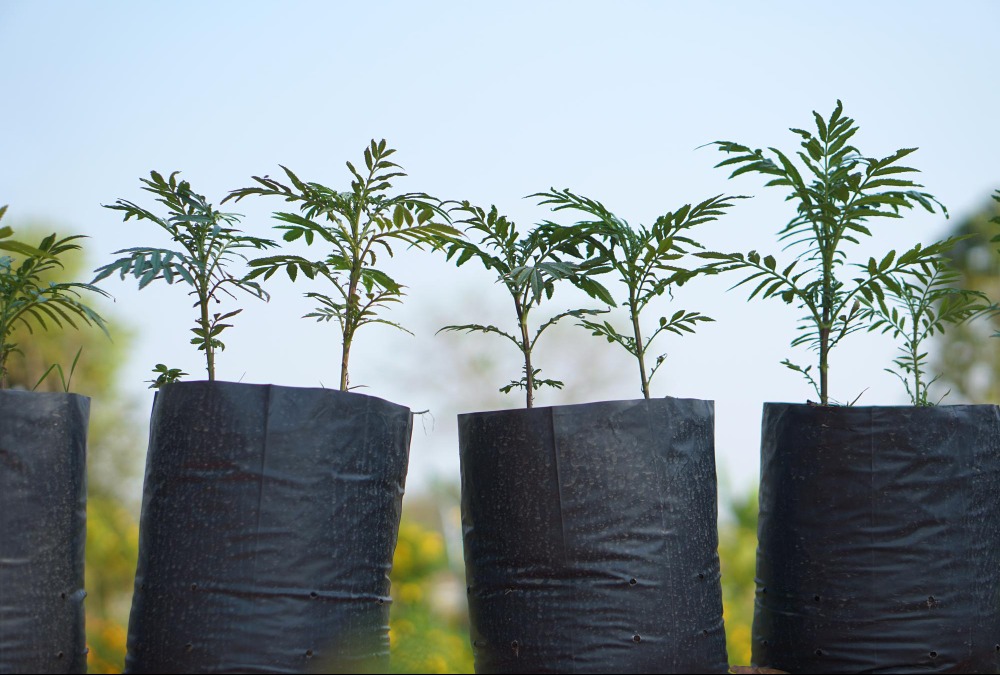
For people who want to create a terrace garden without constructing permanent planting beds, grow bags provide a flexible container-growing option. They can be used for vegetables, herbs, flowering plants, and selected ornamental species, making them popular among urban gardeners.
Choosing the correct bag, however, requires more thought than simply selecting the largest available size.
Match Bag Size to Root Growth
Different plants develop very different root systems.
Leafy vegetables and compact herbs may not require the same depth as tomatoes, brinjal, chillies, or larger plants. Crops with extensive root systems need adequate growing volume to develop properly.
An undersized container can restrict roots and dry rapidly during hot weather.
Oversizing every container is not always necessary either. Larger bags require more growing medium, occupy more terrace space, and add additional loaded weight when watered.
Check Drainage
Good drainage is essential for container gardening.
Grow bags should allow excess water to leave the root zone. If water remains trapped for long periods, roots may experience stress or rot.
Drainage becomes especially important during Maharashtra's monsoon season when outdoor containers can receive substantial rainfall.
Terrace drainage outlets should also remain unobstructed.
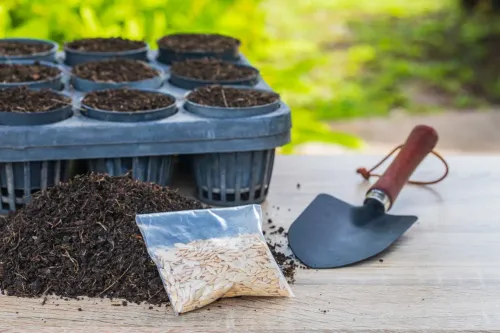
Choose Growing Media Carefully
Filling grow bags entirely with dense field soil can make them unnecessarily heavy and may reduce aeration.
A suitable growing medium should provide:
- Root support
- Moisture retention
- Drainage
- Aeration
- Appropriate nutrition
Soilless potting media can be considered for container gardening where manageable weight and consistent texture are useful.
Plan the Terrace Layout
Do not place every bag wherever space happens to be available.
Observe sunlight first. Vegetables that need substantial sunlight should occupy suitable zones, while plants preferring partial shade can be positioned accordingly.
Leave enough space between containers for airflow and maintenance access.
Where climbing crops are planned, decide where trellises or supports will be installed before arranging the bags.
Manage Summer Watering
Nagpur summers can cause container media to dry quickly, particularly on exposed rooftops.
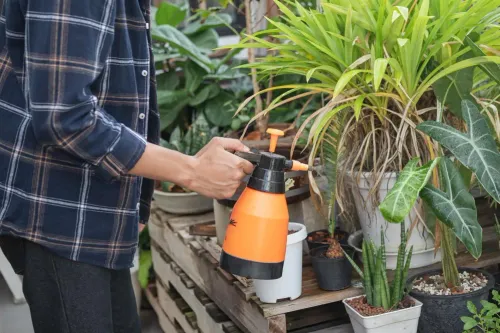
Check moisture regularly and adjust watering according to plant size, weather, bag dimensions, and growing medium.
Larger terrace gardens may benefit from a planned irrigation setup to reduce repetitive manual watering.
Consider Terrace Safety
A grow bag becomes considerably heavier after it is filled and watered. A large collection of containers can therefore create significant cumulative load.
Homeowners planning extensive terrace cultivation should take structural suitability seriously. Waterproofing should also be in good condition before a substantial garden is developed.
Build a Scalable Garden
One advantage of grow bags is flexibility. New containers can be added gradually as the gardener gains experience.
Nagpur Eco Agro provides grow bags and related terrace-gardening solutions for customers in Nagpur. Home gardeners can combine suitable containers with appropriate growing media, irrigation, nutrition, and crop planning to create a garden suited to local climatic conditions.
The best grow bag is not simply the biggest or cheapest option. Container dimensions, drainage, material quality, plant type, growing medium, sunlight, water availability, and terrace conditions all matter. Choosing according to the crop helps create a garden that is easier to maintain throughout the growing season.
Keywords